Mastering pronunciation is one of the most challenging yet rewarding aspects of language learning. Minimal pairs offer a powerful, systematic approach to distinguishing similar sounds that can dramatically improve your speaking clarity and listening comprehension.

Whether you’re struggling to differentiate between “ship” and “sheep” in English, or wrestling with subtle vowel distinctions in your target language, minimal pair practice provides the targeted training your ears and mouth need. This focused approach transforms confusing sound patterns into clear, distinguishable elements that elevate your communication skills to new heights.
🎯 Understanding Minimal Pairs: The Foundation of Sound Distinction
Minimal pairs are words that differ by only a single sound in the same position, creating distinct meanings. These paired words serve as precision tools for isolating problematic phonemes that often trip up language learners. The beauty of minimal pairs lies in their simplicity—by changing just one sound, you can explore the boundaries between phonemes that your native language may not distinguish.
For English learners, classic examples include “bit” versus “beat,” “pen” versus “pan,” or “right” versus “light.” Each pair highlights a specific phonetic contrast that requires careful attention to mouth position, tongue placement, and sound duration. When you master these distinctions, you’re not just learning individual words—you’re rewiring your brain’s auditory processing system to recognize and produce new sound categories.
The effectiveness of minimal pair training stems from cognitive science principles. Our brains develop categorical perception for sounds in our native language during early childhood, making it difficult to hear distinctions that don’t exist in our first language. Minimal pair practice creates new neural pathways that allow adult learners to overcome these ingrained perceptual boundaries.
📚 Why Flashcards Amplify Minimal Pair Learning
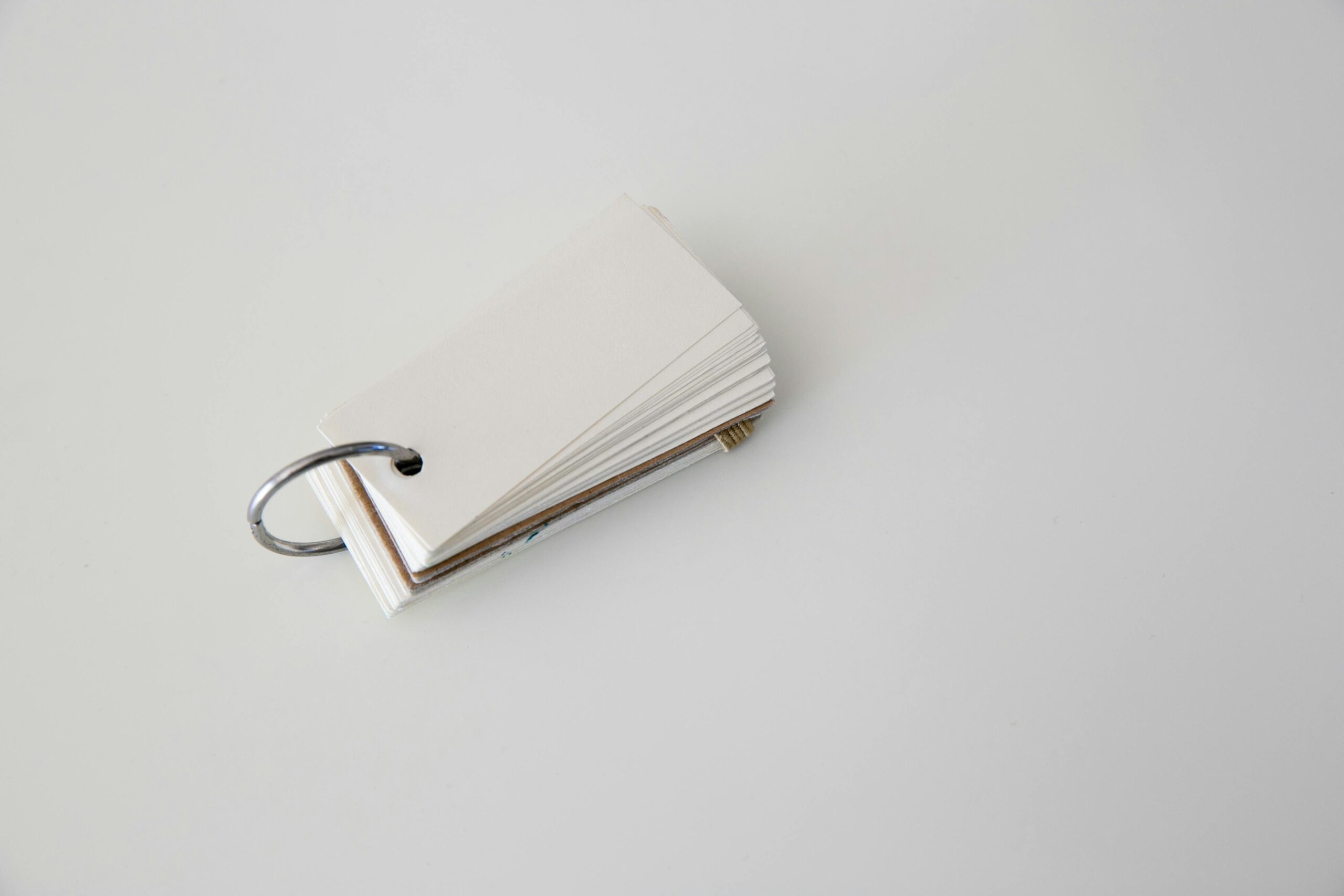
Flashcards have earned their reputation as language learning staples for good reason. When applied to minimal pair practice, they become even more powerful by leveraging spaced repetition, active recall, and multimodal learning. Digital flashcard platforms allow you to incorporate audio recordings, making them ideal for pronunciation work where hearing the difference is just as important as seeing it written.
The portability of flashcards—whether physical or digital—means you can practice during commutes, lunch breaks, or any spare moment. This frequent, short-burst exposure is particularly effective for pronunciation, where consistent practice yields better results than occasional marathon sessions. Your articulatory muscles need regular training to build the muscle memory required for accurate sound production.
Modern flashcard apps incorporate algorithms that identify your weak points and present those cards more frequently. For pronunciation practice, this means you’ll spend more time on the sound distinctions that challenge you most, rather than wasting effort on pairs you’ve already mastered. This personalized approach accelerates your progress significantly.
🎨 Creative Flashcard Formats for Maximum Engagement
Audio-First Flashcard Design
The most effective pronunciation flashcards prioritize audio over text. When you see the written word first, you may unconsciously rely on your reading knowledge rather than truly processing the sound. Instead, design flashcards that play audio immediately, requiring you to identify which word you heard before revealing the answer.
Create sets where the front of the card plays a recording of either word from the minimal pair, and you must identify which one. The back reveals the correct answer with both written forms and audio for both words, allowing you to compare directly. This format trains both receptive listening skills and productive speaking ability simultaneously.
Sentence Context Flashcards
Isolated words are useful for initial learning, but pronunciation truly matters in connected speech. Develop flashcards that embed minimal pair words within complete sentences. For example, rather than just “ship” and “sheep,” create cards with sentences like “The ship sailed yesterday” and “The sheep grazed peacefully.”
This contextual approach serves multiple purposes. It teaches you how sounds interact with surrounding phonemes, introduces natural intonation patterns, and provides vocabulary reinforcement. You’ll also learn to maintain clear pronunciation even when speaking at natural speeds within full utterances.
Visual Association Flashcards
Pairing sounds with distinctive images creates powerful memory hooks. Design flashcards that include a relevant picture alongside the audio. A cartoon ship for one card and a fluffy sheep for another provides visual reinforcement that helps cement the distinction in your mind.
These visual cues are particularly valuable for kinesthetic and visual learners who struggle with purely auditory information. The multisensory approach engages more brain regions, creating stronger and more durable memory traces. Over time, these associations fade into the background as the sound distinctions themselves become automatic.
🔄 Progressive Practice Strategies That Build Competence
The Listening Discrimination Phase
Begin with pure recognition before attempting production. In this initial phase, focus exclusively on hearing the difference between minimal pairs. Play recordings and identify which word you heard without trying to say them yourself yet. This builds the perceptual foundation necessary for accurate pronunciation.
Use flashcards that present you with audio clips and multiple-choice options. Track your accuracy rate, and don’t move forward until you can consistently distinguish the sounds with at least 80-90% accuracy. Rushing into production before your ears can reliably distinguish sounds leads to reinforcing incorrect pronunciation patterns.
The Shadowing and Repetition Phase
Once your listening discrimination is solid, introduce productive practice. Listen to the audio on your flashcard and immediately repeat what you hear, attempting to match the speaker’s pronunciation exactly. Record yourself and compare your production to the model, noting specific differences.
Practice each word in the minimal pair separately before alternating between them. This prevents your mouth from falling into habitual patterns. Say “beat” five times, then “bit” five times, then alternate: “beat, bit, beat, bit.” This deliberate switching trains your articulatory muscles to make precise adjustments.
The Application and Integration Phase
The final stage moves beyond flashcard practice into real-world application. Create speaking exercises where you use both words from minimal pairs in spontaneous sentences. If you’re studying alone, record yourself telling stories or describing your day while consciously incorporating your target minimal pairs.
Exchange voice messages with language partners, specifically requesting feedback on your minimal pair pronunciation. Ask them to flag instances where you confused the sounds. This external feedback is invaluable because you might not reliably hear your own pronunciation errors even when your perception of others’ speech is accurate.
💡 Targeted Minimal Pair Lists by Problem Area
Vowel Length Contrasts
Many languages, including English, use vowel length to distinguish meaning. These subtle duration differences challenge learners whose native languages don’t employ this feature. Focus on pairs like “slip/sleep,” “full/fool,” and “live/leave” to develop sensitivity to these timing distinctions.
When practicing vowel length, physically count or tap to externalize the duration difference. Hold the long vowel for a full beat longer than the short one. This exaggerated practice helps establish clear categories that you can then fine-tune to more natural durations.
Consonant Voicing Distinctions
The difference between voiced and voiceless consonants proves difficult for many learners. Pairs like “bet/pet,” “dense/tense,” and “curl/girl” highlight these contrasts. The articulatory position is identical; only vocal cord vibration differs.
Place your hand on your throat while practicing these pairs to feel the vibration difference. Create flashcards that include this physical cue as a reminder. Some learners benefit from exaggerating the voicing initially, making a buzzing sound that they gradually reduce to normal levels.
Position-Specific Challenges
Certain sound contrasts become more difficult in specific word positions. Initial “r” versus “l” sounds challenge some Asian language speakers, while final consonants prove difficult for speakers of languages that don’t allow consonants at word endings. Create targeted flashcard sets focusing on your personal position-specific weak spots.
For final consonant practice, pairs like “back/bat,” “leaf/leave,” and “pick/pig” require careful attention to the complete articulation of word endings. Many learners improve their initial and medial consonants while continuing to drop or confuse final sounds in rapid speech.
🎮 Gamification Techniques to Maintain Motivation
Competition and Achievement Systems
Transform your flashcard practice into a game by setting specific goals and tracking statistics. Challenge yourself to beat your previous accuracy percentages or response times. Many flashcard apps include built-in gamification features like streaks, levels, and badges that tap into our natural desire for achievement.
Create a pronunciation challenge chart where you track daily practice sessions and earned points for consistent practice. Share your progress with study groups or online communities to add a social accountability element. Friendly competition with fellow learners can significantly boost your practice consistency.
Speed Round Challenges
Once you’ve developed basic competence with a minimal pair set, introduce timed challenges. How many pairs can you correctly identify in sixty seconds? Speed rounds add excitement while building the rapid processing skills necessary for real-time conversation.
Balance speed with accuracy—don’t sacrifice correct pronunciation for faster responses. The goal is developing automaticity where correct pronunciation becomes your default, requiring no conscious effort. Start with generous time limits and gradually reduce them as your proficiency increases.
Variety Through Random Mixing
Prevent your practice from becoming stale by constantly varying your flashcard combinations. Mix pairs focusing on different phonetic features in single practice sessions. Combine vowel length pairs with consonant voicing pairs and position-specific challenges for comprehensive workouts.
Create theme-based sets that group minimal pairs by topic rather than phonetic feature. A “food vocabulary” set might include “rice/lice,” “pear/bear,” and “grape/grate.” This approach maintains engagement while still providing targeted pronunciation practice within meaningful semantic contexts.
🌐 Technology-Enhanced Pronunciation Practice
Modern technology offers unprecedented tools for pronunciation improvement. Speech recognition software can provide instant feedback on your production accuracy. Many language learning apps now include pronunciation assessment features that analyze your speech and identify specific areas needing improvement.
Consider using specialized pronunciation apps that focus specifically on minimal pairs and sound discrimination. These platforms often include native speaker recordings from multiple accents, allowing you to develop flexibility in recognizing varied pronunciations while maintaining your own clarity.
Recording technology serves as your personal pronunciation coach. Use smartphone apps to record your minimal pair practice sessions, then listen critically to identify discrepancies between your pronunciation and native speaker models. This self-assessment skill becomes increasingly valuable as you progress.
👥 Social and Collaborative Learning Approaches
Partner Pronunciation Drills
Find a language exchange partner or fellow learner for interactive minimal pair practice. Take turns being the speaker and listener, providing each other with immediate feedback. This social element adds accountability while making practice more enjoyable and less isolating.
Create custom flashcard sets specifically for partner practice. One person holds the cards and plays various minimal pair words while the other identifies which was spoken. Switch roles regularly to practice both receptive and productive skills. Partners can catch errors you might miss when practicing alone.
Group Challenges and Study Sessions
Organize pronunciation-focused study groups where members share their personal minimal pair flashcard sets and practice techniques. Group settings provide diverse native language backgrounds, offering insights into different pronunciation challenges. Learning about others’ struggles often illuminates aspects of your own pronunciation you hadn’t considered problematic.
Conduct group games using minimal pair flashcards. Play pronunciation bingo where cards contain minimal pair words, and the caller reads sentences containing those words. The first person to correctly identify their words wins. These playful approaches reduce anxiety while maintaining effective practice.
📊 Tracking Progress and Adjusting Your Approach
Systematic progress tracking transforms random practice into strategic skill development. Maintain a pronunciation journal documenting which minimal pairs you’re practicing, your accuracy rates, and specific challenges you notice. Review this journal weekly to identify patterns and adjust your flashcard creation priorities accordingly.
Periodically record yourself reading a standardized passage containing multiple minimal pair contrasts. Save these recordings with dates, then compare them over weeks and months. Hearing your own improvement provides powerful motivation while revealing persistent problem areas requiring continued focus.
Don’t expect linear progress. Pronunciation improvement often follows a pattern of plateaus interrupted by sudden breakthroughs. During plateaus, vary your practice methods rather than simply increasing volume. Sometimes your brain needs processing time to consolidate new sound categories before they become reliable.
🚀 Advanced Techniques for Persistent Challenges
When certain minimal pairs continue resisting your efforts despite consistent practice, employ specialized intervention strategies. Work with a pronunciation coach who can provide real-time articulatory guidance, physically demonstrating tongue and lip positions that might differ subtly from what you’re currently doing.
Explore phonetic training that goes deeper into articulatory phonetics. Understanding the precise physiological differences between sounds—such as tongue height, tongue advancement, lip rounding, and airflow patterns—provides the technical knowledge to troubleshoot persistent errors systematically.
Consider temporarily exaggerating problematic contrasts well beyond natural speech. If you constantly confuse two sounds, practice making them as different as possible, even to the point of sounding ridiculous. This establishes clear categorical boundaries that you can then moderate back toward standard pronunciation while maintaining the essential distinction.
🎯 Bringing It All Together: Your Personalized Action Plan
Begin by identifying your specific pronunciation weak points through diagnostic assessment. Record yourself reading minimal pair lists and have native speakers or teachers identify which contrasts you’re missing. This targeted approach ensures you’re investing energy where it will yield maximum returns.
Create a structured 30-day minimal pair challenge. Dedicate 15-20 minutes daily to flashcard practice, rotating through different formats and difficulty levels. Start each session with receptive listening practice, move to productive speaking, and finish with application in sentences or short conversations.
Build your minimal pair flashcard library gradually, focusing on depth rather than breadth. Master one set completely before adding new pairs. Quality practice with 20 well-chosen minimal pairs produces better results than superficial exposure to 200 pairs. Your pronunciation improves through deep learning, not mere exposure.
Remember that pronunciation is ultimately a physical skill requiring muscle training, not just intellectual understanding. Your tongue, lips, and vocal cords need time and repetition to develop new movement patterns. Approach your practice with the same patience and consistency you would bring to learning a musical instrument or sport.
Celebrate small victories along the way. The first time a native speaker understands your previously problematic word without hesitation, or when you suddenly hear a distinction that previously eluded you—these moments confirm your progress and fuel continued motivation. Minimal pair practice transforms these breakthrough moments from random occurrences into systematic achievements.
Your journey to pronunciation mastery through minimal pairs is both challenging and deeply rewarding. By combining smart flashcard design with varied practice techniques, technological tools, and social learning, you create a comprehensive approach that addresses all aspects of pronunciation development. Start today with just one minimal pair, and watch as clearer, more confident speech emerges from consistent, focused practice.