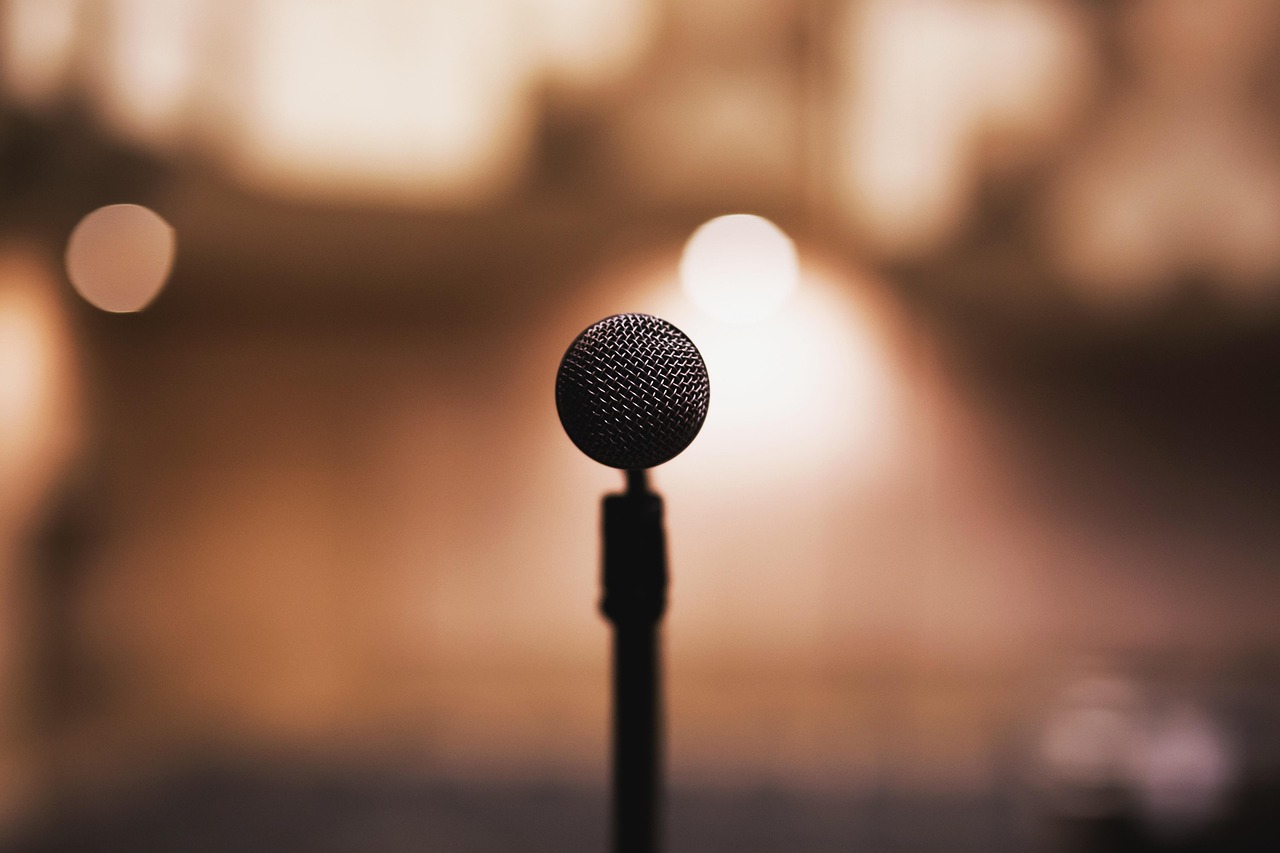
In an age dominated by digital noise and constant distractions, the ability to truly listen has become a rare and invaluable skill that separates exceptional communicators from the rest.

Sound awareness training modules represent a revolutionary approach to developing listening capabilities that extend far beyond simply hearing words. These comprehensive programs combine neuroscience, mindfulness practices, and acoustic training to rewire how we process auditory information and engage with the world around us. By mastering the art of listening through structured training, professionals, students, and anyone seeking meaningful connections can unlock transformative communication abilities that impact every aspect of life.
🎧 The Science Behind Sound Awareness and Active Listening
Our brains process approximately 11 million bits of sensory information per second, yet our conscious mind can only handle about 40 to 50 bits during that same timeframe. This massive filtering process means we’re constantly making subconscious decisions about what deserves our attention. Sound awareness training teaches us to optimize these decisions, bringing intentionality to what we choose to hear and how we interpret auditory signals.
Neuroscientific research has revealed that active listening engages multiple brain regions simultaneously, including the auditory cortex, prefrontal cortex, and areas responsible for empathy and emotional regulation. When we practice focused listening exercises, we’re essentially building neural pathways that make attentive listening our default mode rather than an effortful exception.
The concept of neuroplasticity underpins sound awareness training. Our brains remain remarkably adaptable throughout life, capable of forming new connections and strengthening existing ones through deliberate practice. Structured listening modules leverage this plasticity by presenting progressively challenging auditory exercises that expand our perceptual capacities and attention spans.
Understanding the Listening Crisis in Modern Communication
Studies consistently show that most people retain only 25-50% of what they hear in conversations. This alarming statistic points to a widespread listening crisis that undermines relationships, creates workplace inefficiencies, and leads to countless misunderstandings. The root causes are multifaceted, ranging from information overload and multitasking habits to the dopamine-driven design of social media platforms that have shortened our attention spans.
Poor listening skills manifest in numerous ways: interrupting others mid-sentence, formulating responses instead of absorbing what’s being said, allowing minds to wander to unrelated topics, and filtering information through personal biases without genuine consideration. These habits become so ingrained that many people don’t even recognize they’re not truly listening.
The professional costs are staggering. Miscommunication resulting from inadequate listening leads to project delays, customer dissatisfaction, team conflicts, and missed opportunities. On a personal level, relationships deteriorate when partners, friends, or family members feel unheard and undervalued. Sound awareness training directly addresses these challenges by rebuilding foundational listening competencies.
Core Components of Effective Sound Awareness Training Modules
Comprehensive sound awareness programs incorporate several key elements that work synergistically to develop listening mastery. Understanding these components helps learners appreciate the holistic nature of auditory skill development.
Acoustic Discrimination Exercises
These foundational exercises train the ear to distinguish subtle differences in sounds, pitches, tones, and rhythms. Beginning with simple comparisons and progressing to complex auditory scenes, acoustic discrimination builds the perceptual acuity necessary for nuanced listening. Participants learn to identify emotional undertones in speech, detect hesitations that signal uncertainty, and recognize the non-verbal elements that carry substantial meaning.
Focused Attention Practices
Borrowed from mindfulness traditions but adapted for auditory development, focused attention practices teach listeners to maintain concentration on specific sound sources despite competing distractions. These exercises might involve listening to a single instrument within an orchestral piece, following one conversation in a crowded environment, or maintaining attention on a speaker during a lengthy presentation without mental drift.
Memory and Recall Training
Effective listening requires not just receiving information but retaining it accurately. Memory modules challenge participants to recall specific details from increasingly complex auditory inputs, strengthening the neural pathways between auditory processing and memory consolidation. These skills translate directly to professional settings where remembering client preferences, project specifications, or team feedback becomes second nature.
Empathetic Listening Development
Perhaps the most transformative component, empathetic listening training teaches participants to listen for emotional content and underlying needs rather than just literal words. This involves recognizing vocal cues like pace, volume, and inflection that reveal a speaker’s emotional state, and developing the patience to allow full expression before formulating responses.
🚀 Practical Applications Across Different Contexts
The versatility of sound awareness training makes it valuable across countless scenarios. Understanding specific applications helps learners connect abstract skills to concrete outcomes in their unique circumstances.
Professional and Workplace Excellence
In business environments, enhanced listening skills translate to improved leadership effectiveness, stronger team collaboration, and superior customer relations. Leaders who truly listen create psychologically safe environments where team members contribute ideas freely. Sales professionals who master listening identify customer needs more accurately, leading to better solutions and higher conversion rates. Conflict resolution becomes significantly more effective when all parties feel genuinely heard.
Personal Relationships and Intimacy
Intimate relationships thrive on mutual understanding, which requires exceptional listening. Sound awareness training helps partners move beyond surface-level exchanges to deeper connection. By learning to listen without judgment, formulating responses prematurely, or deflecting to personal experiences, individuals create space for authentic vulnerability and emotional intimacy that strengthens bonds.
Educational and Learning Environments
Students who develop strong listening skills retain more information from lectures, participate more meaningfully in discussions, and build better relationships with instructors and peers. Educators who listen attentively to students can identify comprehension gaps, adjust teaching strategies, and create more inclusive classrooms where diverse perspectives are valued.
Healthcare and Therapeutic Settings
Medical professionals with advanced listening skills conduct more accurate diagnoses by catching subtle details in patient descriptions. Therapists and counselors who practice deep listening create healing spaces where clients feel safe to explore difficult emotions. The quality of listening in healthcare settings directly impacts patient satisfaction and treatment outcomes.
Building Your Personal Sound Awareness Training Program
Developing listening mastery requires intentional practice and progressive skill development. A structured approach ensures consistent progress and sustainable habit formation.
Starting with Baseline Assessment
Begin by honestly evaluating your current listening capabilities. Notice how often your mind wanders during conversations, how much you retain from meetings or lectures, and whether people frequently need to repeat themselves. Self-awareness of existing patterns creates motivation for change and provides benchmarks for measuring improvement.
Daily Micro-Practices
Rather than overwhelming yourself with lengthy training sessions, incorporate brief exercises throughout your day. Spend five minutes listening to ambient sounds with eyes closed, identifying as many distinct sounds as possible. During conversations, practice paraphrasing what others say before responding. These micro-practices compound over time into significant skill development.
Progressive Complexity
Structure your training to gradually increase difficulty. Start with listening exercises in quiet environments, then progress to more challenging contexts with background noise and distractions. Begin with short audio segments before extending to longer formats. This progressive approach builds competence without creating discouragement.
Reflection and Integration
Regular reflection cements learning and facilitates application. After conversations or listening exercises, spend a few moments reviewing what you noticed, what challenged you, and what you learned. Journaling about listening experiences helps identify patterns and track progress over time.
Technology-Enhanced Listening Development 📱
Modern technology offers powerful tools for structured listening training. Various applications provide guided exercises, track progress, and adapt difficulty based on performance. These digital solutions make comprehensive training accessible to anyone with a smartphone, removing barriers of cost and geographic location.
Specialized apps offer features like auditory discrimination tests, focused attention timers, binaural audio exercises, and guided practices that systematically develop listening capacities. Many incorporate gamification elements that maintain engagement while building skills through progressively challenging levels.
Overcoming Common Obstacles in Listening Development
The journey toward listening mastery inevitably encounters challenges. Recognizing common obstacles and developing strategies to address them prevents abandonment of training efforts.
The Impatience Barrier
Our fast-paced culture conditions us to seek immediate results, but listening skill development requires patience. The neural rewiring that enables effortless attention takes weeks or months of consistent practice. Expecting overnight transformation leads to disappointment and abandonment. Reframe your perspective to appreciate incremental progress and trust the cumulative effect of daily practice.
Distraction Saturation
Digital devices constantly compete for attention, making sustained focus challenging. Creating device-free zones and times specifically for listening practice protects your training from interruption. Gradually, the concentration muscles you develop will help you maintain focus even in distraction-rich environments.
Defensive Listening Patterns
Many people have developed protective listening habits that filter information through defensive frameworks, always preparing counterarguments or taking things personally. Recognizing these patterns without self-judgment is the first step toward transformation. Remind yourself that listening doesn’t require agreement, just understanding.
Cultural and Linguistic Barriers
Cross-cultural communication presents unique listening challenges, as conversational norms, directness levels, and non-verbal cues vary significantly across cultures. Sound awareness training that includes exposure to diverse accents, communication styles, and cultural contexts builds adaptability and reduces misunderstanding in our globalized world.
🎯 Measuring Progress and Maintaining Momentum
Tracking improvement provides motivation and helps refine your training approach. Implement multiple measurement strategies to capture different dimensions of listening development.
Quantitative metrics might include retention tests where you measure how much you recall from audio content, attention span measurements tracking how long you can maintain focus without mental drift, or discrimination accuracy assessing your ability to distinguish subtle sound differences. Qualitative indicators include feedback from conversation partners about whether they feel heard, your subjective experience of presence during interactions, and reduced frequency of misunderstandings.
Celebrate milestones along your journey. When you notice yourself naturally paraphrasing to confirm understanding, catching yourself before interrupting, or remembering details from conversations weeks later, acknowledge these victories. Progress isn’t always linear, so maintaining perspective during plateaus prevents discouragement.
The Ripple Effects of Listening Mastery
The benefits of sound awareness training extend far beyond individual conversations. As listening skills improve, cascading positive effects emerge across all life domains. Professional opportunities expand as reputation for being someone who “really gets it” grows. Relationships deepen as partners, friends, and family feel genuinely valued. Decision-making improves because you’re gathering higher quality information before forming judgments.
Communities benefit when members practice exceptional listening. Polarization decreases when people feel heard across differences. Collaborative problem-solving becomes more effective when diverse perspectives receive genuine consideration. The simple act of truly listening to another human being becomes a profound gift that elevates both parties.
Perhaps most significantly, listening mastery reduces the internal noise that prevents us from hearing our own wisdom. The same attention skills developed for external listening can be directed inward, creating space for self-reflection, emotional awareness, and authentic decision-making aligned with core values.

Creating Sustainable Listening Excellence
Transforming listening from a temporary focus into a permanent competency requires integration into daily life rather than treating it as a separate activity. View every conversation as practice opportunity. Approach meetings, casual encounters, and even media consumption as chances to apply and refine your developing skills.
Build accountability structures that support continued growth. Find practice partners who share your commitment to communication excellence and can provide honest feedback. Join communities focused on mindful communication where you’ll find encouragement and advanced techniques. Consider periodic refresher modules that prevent skill decay and introduce new dimensions of auditory awareness.
Remember that listening mastery isn’t a destination but a continuous journey. Even experienced practitioners discover new layers of depth and subtlety. This perspective prevents complacency while maintaining the curiosity and openness that characterize excellent listeners.
The investment you make in sound awareness training yields returns throughout your lifetime. In a world desperately hungry for genuine connection and understanding, your developed capacity to truly listen becomes one of the most valuable gifts you can offer. Start your transformation today, and discover how this fundamental communication skill can revolutionize your relationships, career, and quality of life in ways you never imagined possible.